


I’ve been deep into the Home Assistant ecosystem for quite a while now, and I’ve been looking for the best deal on each and every device that I’ve picked up. With Prime Day rolled around, there are plenty of great deals on the smart home appliances that are actually useful, and every single one of the options in this list is a device I personally use in my own smart home. They all work with Home Assistant in one way or another, and are the best way to get started on your truly open smart home.
Every single device in this list I own personally and use every day, and I have checked that every deal listed here is genuinely a deal. Nothing covered in this list has been sold at the price mentioned within the last month.
Sonoff Zigbee 3.0 USB Dongle Plus Coordinator
A must for a Zigbee network

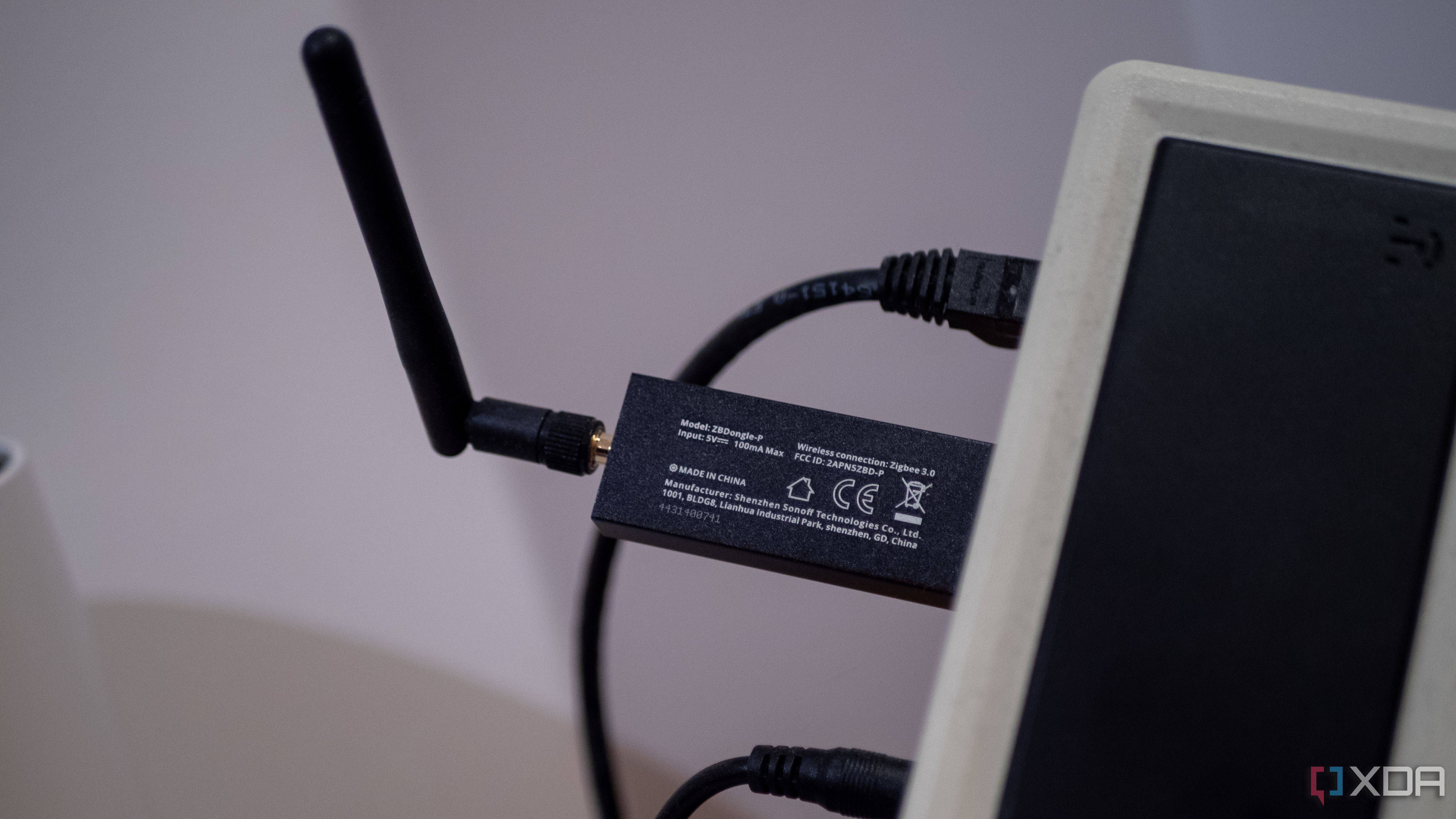
If you’re looking to get started with a smart home, there’s no better place to start than with Zigbee. Zigbee is a local wireless communication protocol, separate from Wi-Fi, designed for lower-power and low-data networking between devices. Because it’s separate from Wi-Fi, though, you need some way to host that network, and that’s where this particular dongle comes into play. It’s on sale for $29.99, down from its usual $39.99.
With Zigbee, you have two options. You can either buy a whole coordinator hub, which will serve as the basis for your network, or you can buy just the coordinator dongle and interface with it through the software of your choosing. While Home Assistant has the Zigbee Home Automation integration (and I set up this dongle with it first), you’ll be better off using something like Zigbee2MQTT instead for better compatibility. Either way, this dongle is fantastic, and I wholeheartedly recommend it as an entry point to smart home newcomers or those who want to get started with Zigbee on a budget.
Aqara Zigbee Door and Window Sensor 3 pack
Home automation and security
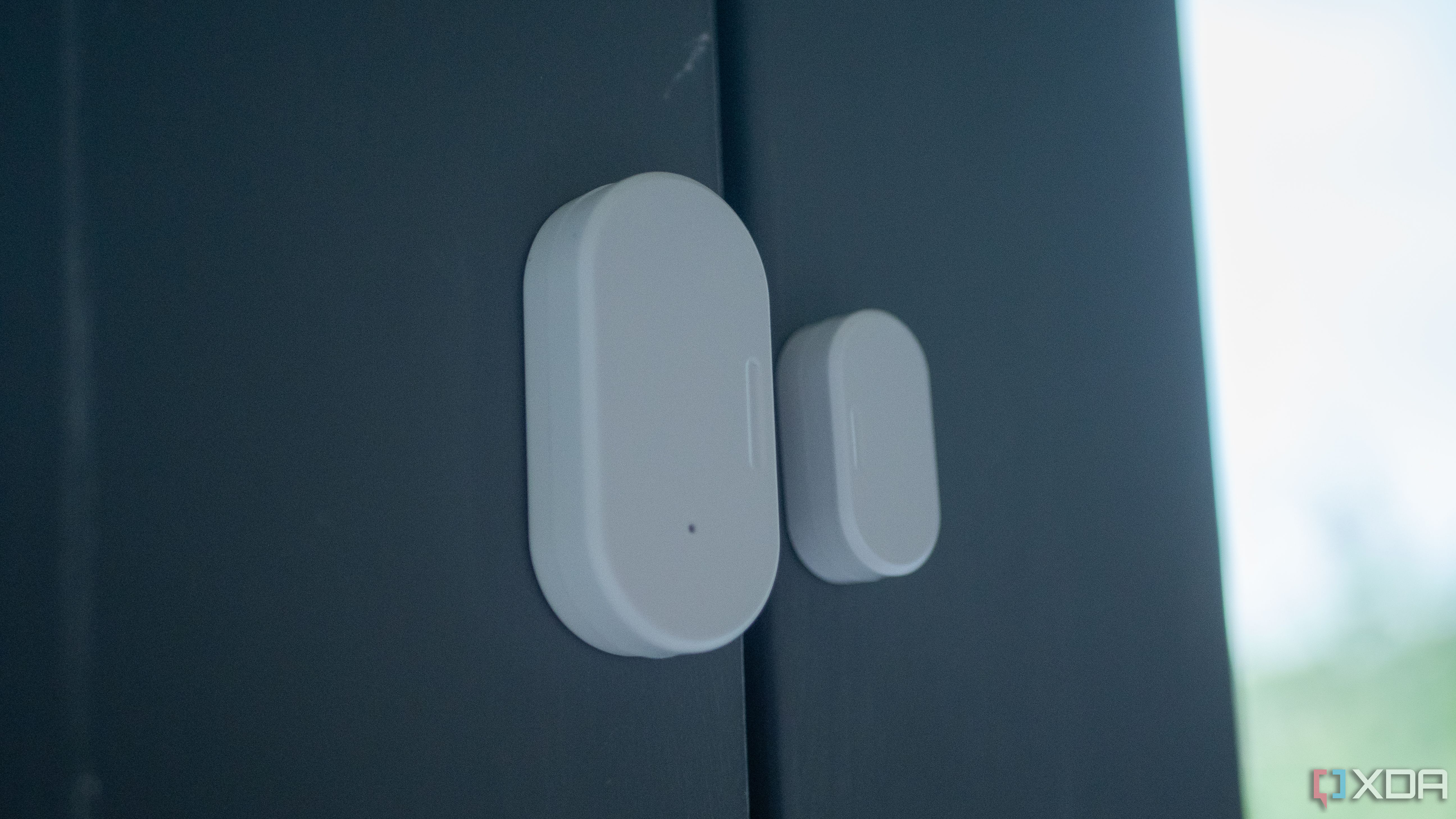
So, if you have a Zigbee network (or you’re getting started with one), what should you get with it? One of my first-ever purchases was a three-pack of door and window sensors. While I don’t have the Aqara one specifically (I have a no-name brand one, so the Aqara one would almost certainly be better…), I absolutely love these. They work with Zigbee2MQTT perfectly, and you can integrate them with Home Assistant to set off alerts or detect when doors or windows are open. This particular three-pack is down to $33.99, down from $53.99.
To give you an idea of why I find these incredibly useful and to potentially provide inspiration, I’ll explain one of my use cases. I leave my balcony door open a lot as my apartment heats up significantly, but sometimes going to bed, I forget to close it, and results in me leaving the balcony door open all night. Now, thanks to two of these sensors, it’s not an issue. When my PC is off after sunset and I open my bedroom door, Home Assistant checks if the balcony door is still open. If it is, I get a handy notification from Home Assistant reminding me to close it.
There are other uses too, including for security or temperature control, so it’s really, really neat. Note that while the Amazon listing for these says it requires an “Aqara hub”, that’s just a regular Zigbee hub and will work with your own one just fine.
Govee H617A Strip Lights
Pretty lights!
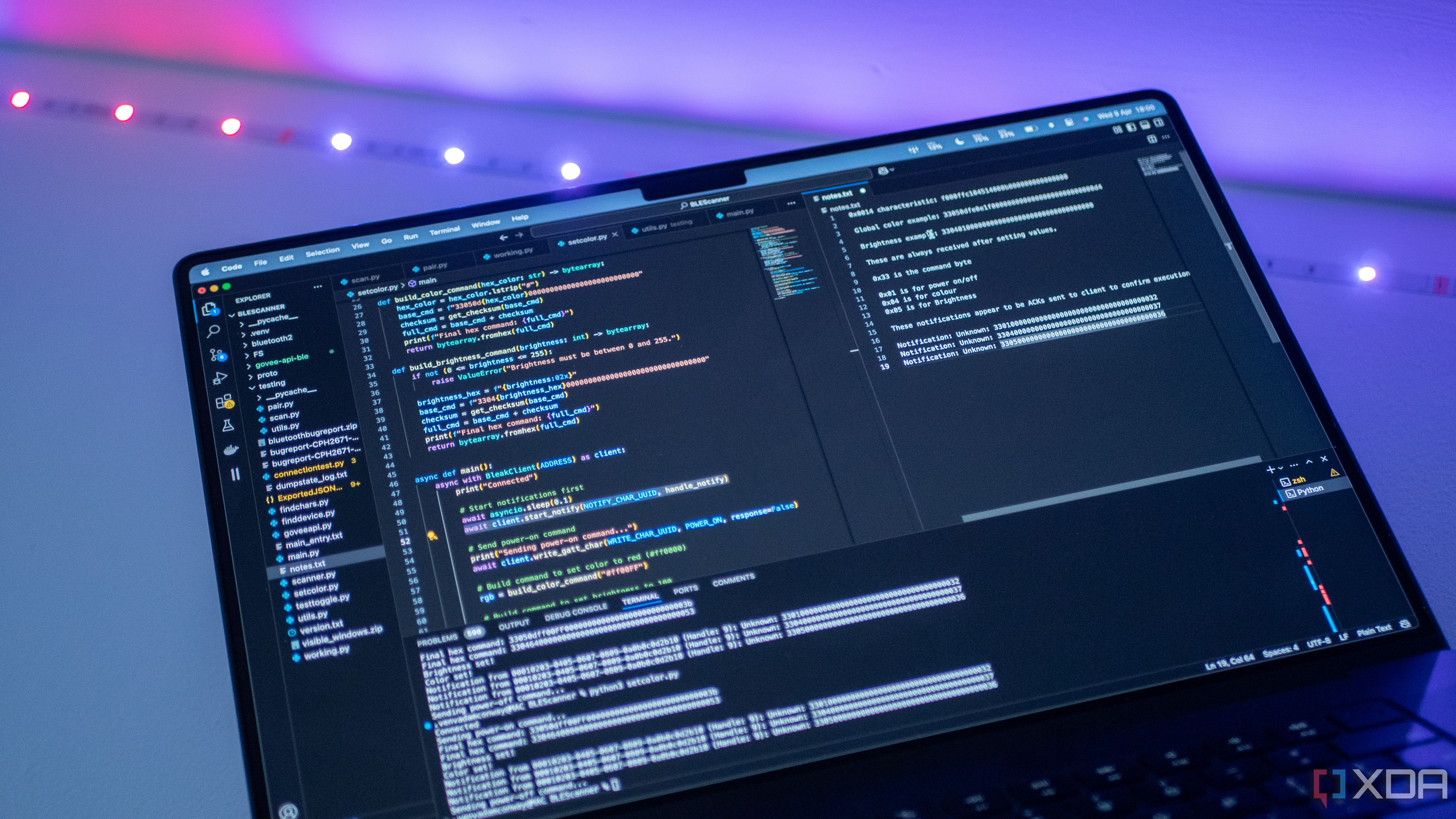
I have a bit of a history with a similar model of these strip lights, the H615B. These lights are supposed to be supported by the Govee LAN API, but for whatever reason, my H615B wouldn’t work with it. Having said that, I’ve seen instances of people getting them working just fine, and I’ve also seen that the H617A will work with both the Govee2MQTT Home Assistant add-on and the Govee BLE lights integration on HACS. In other words, you may need to install an unofficial add-on to get them working, but they do work, and that’s the main thing. Plus, for $10 (down from $15), 16.4 feet of pretty lights is a steal.
Even in the worst-case scenario of these lights not being picked up with either of those two additional pieces of software, the official Govee web-based API will work a treat, and it just means that you’ll need a cloud connection to control them from Home Assistant. Alternatively, you can also use Homebridge. While these drawbacks would make it hard to recommend a significantly more expensive product, a $10 purchase for some objectively great lights is worth taking the plunge on. They should work just fine locally, but even if they don’t, you’d typically have to spend a lot more to truly guarantee that kind of local control.
Amazon Echo Dot
Still works with Home Assistant

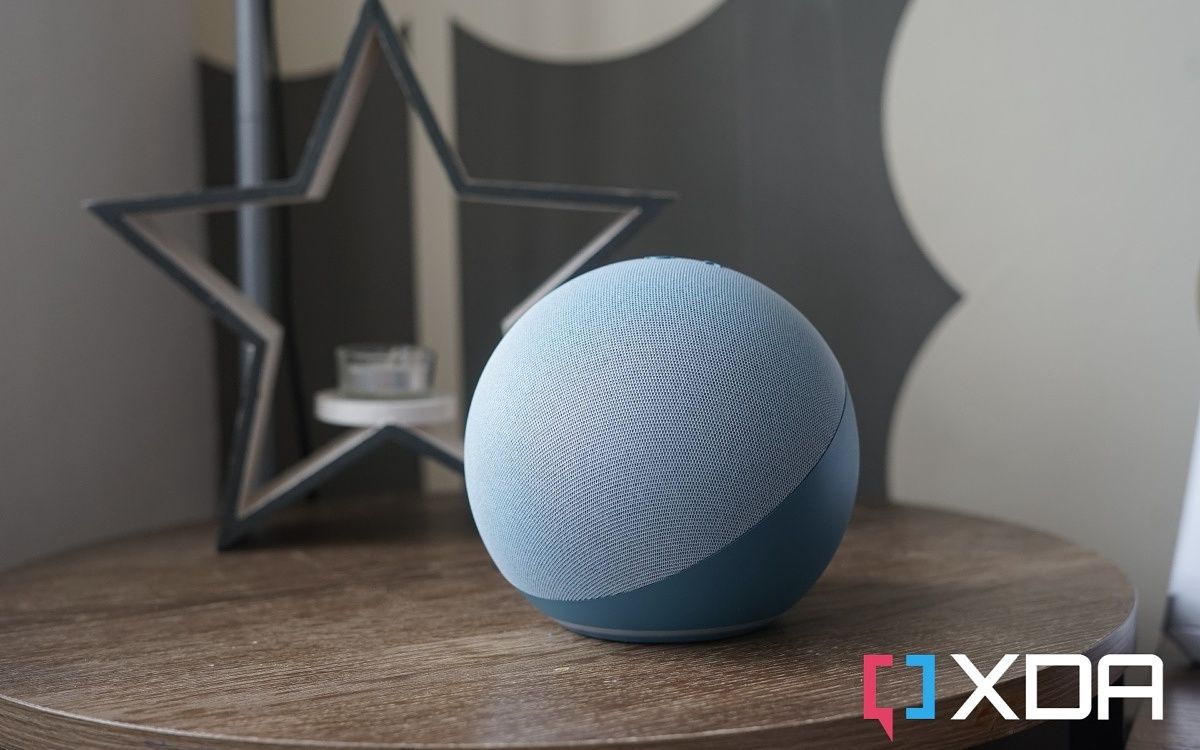
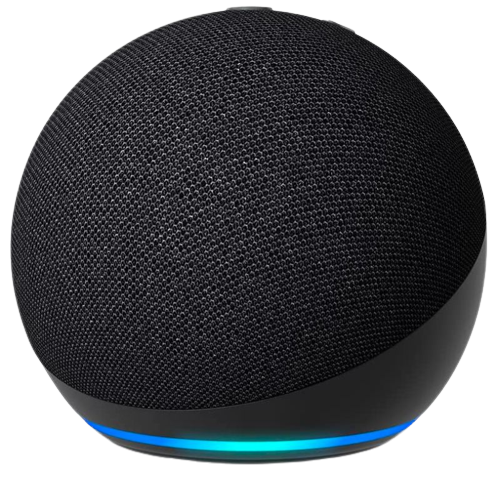
While Home Assistant is all about local and open automation, I’ll never begrudge someone who still wants to make use of Amazon’s smart home products. After all, the Echo series of speakers is still pretty good, and you can actually integrate them into your smart home with the Alexa integration as well. This will expose their temperature sensors, speakers, and allow you to use them as a media player, and my Echo 4th Generation is picked up perfectly in Home Assistant. While Amazon hasn’t issued a refresh of that model (and it’s available for an eyewatering $100), the Echo Dot is down to $31.99 from $49.99.
While it certainly shines the most within Amazon’s own ecosystem, you don’t need to use it if you don’t want to. I certainly don’t, yet my Echo 4th Gen chugs along just fine. Plus, you can expose sensors so that you can control Home Assistant from your Echo device once you link everything up. It’s an affordable option, and I still get some use out of my Echo this way.

- Display
-
No
- Dimensions
-
3.9 x 3.9 x 3.5 inches
- Weight
-
304g
- Clock
-
No
- Integrations
-
WiFi, Bluetooth Low Energy Mesh, and Matter controller
The Amazon Echo Dot (5th Gen) boasts of improved audio quality with clearer vocals and better bass.
ESP32 development board 3 pack
Great for building your own projects

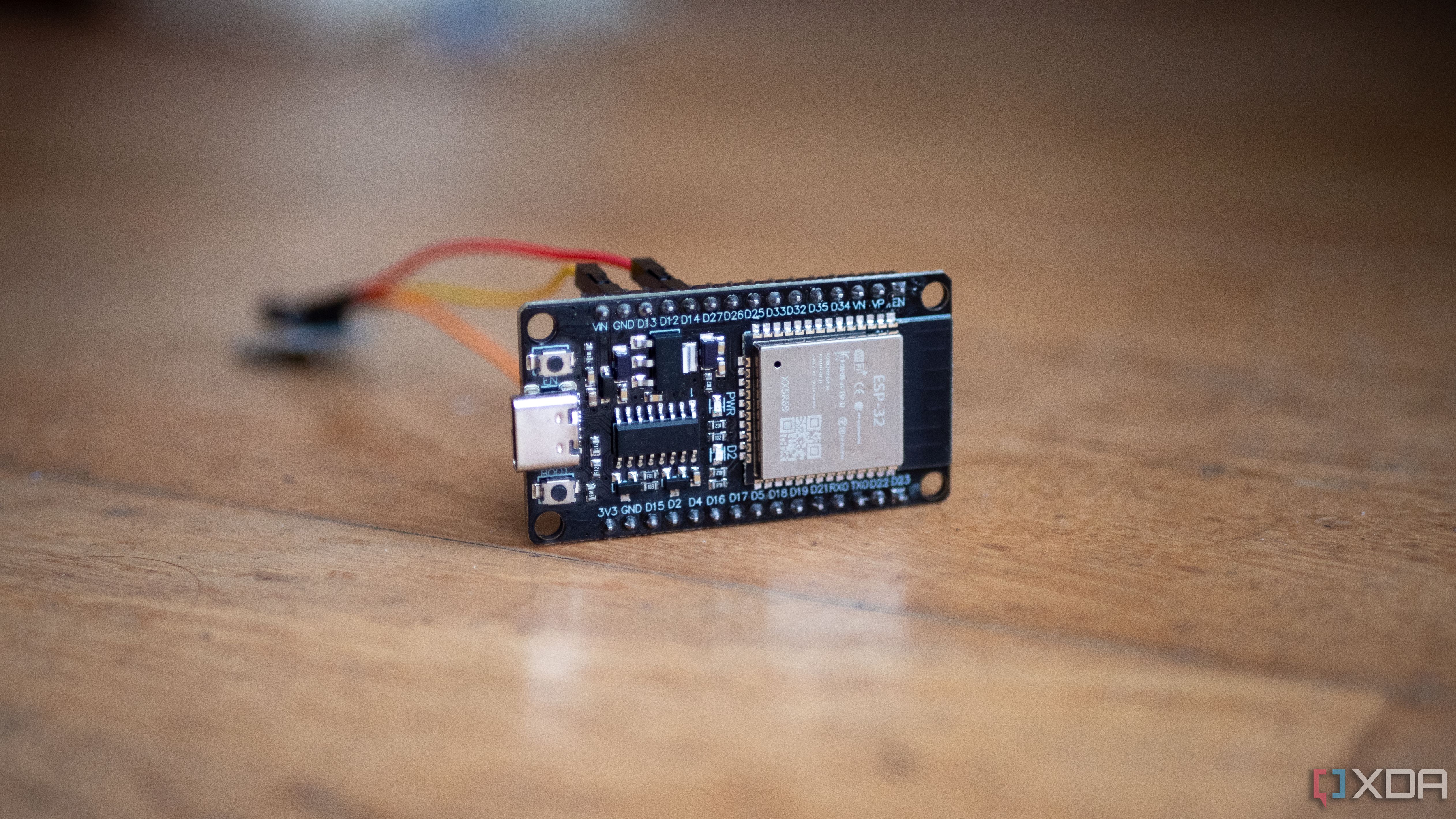
If you want to get started with building your own ESP32-powered smart home devices, this three-pack from Elegoo is a great place to begin. While it has some quirks and seems to be built on the original ESP32-DevKit-V1 with an ESP-WROOM-32 module, it’s a great entry point to the world of ESP32 devices and figuring out how they work. This pack is down to $22.39, down from $27.99.
While you can certainly get these devices cheaper from outside of the U.S. through the likes of AliExpress, high tariffs will likely bring the total cost of shipping them to a similar (or even more expensive) price. I have a pair of very similar boards to these that got me started, and the beauty of the original ESP32 is its dual support for both Wi-Fi and classic Bluetooth. You can hook up all kinds of sensors to these, and they’re a great way to learn how smart devices work and save money in the long run by building your own alternatives.
link