
Smart homes become standard rather than futuristic
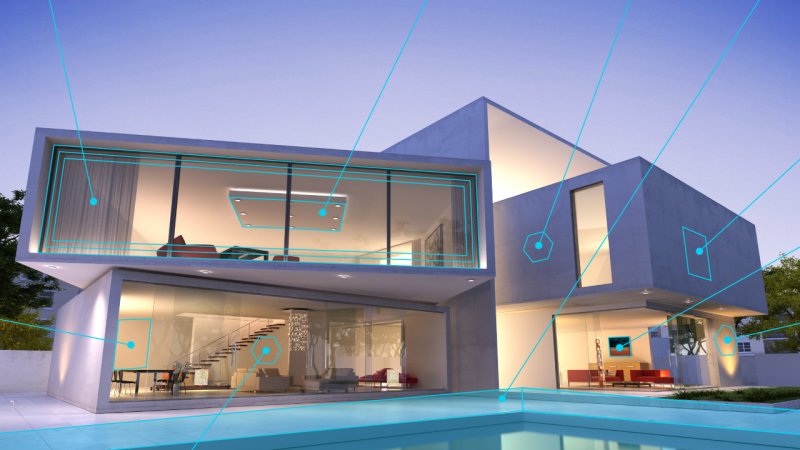
For many years, the phrase “smart home” sounded like a glimpse into a distant future — a world of voice-controlled assistants, self-managing appliances, and fully automated living environments, News.az reports.
By 2026, that future has quietly arrived and blended into everyday reality. Smart homes are no longer a novelty or a luxury experiment. They have become a mainstream feature of modern life, embedded in new housing developments and retrofitted into existing properties around the world.
What distinguishes 2026 from earlier years is not just the presence of gadgets, but the way connected systems now work together. Rather than a collection of isolated devices, the modern smart home operates as an integrated environment focused on comfort, energy efficiency, security, and convenience. And while adoption has accelerated, so too has the conversation about privacy, resilience, digital dependency, and social change.
From devices to ecosystems
Early smart-home products were typically stand-alone accessories — a connected speaker here, a remote-controlled thermostat there. In 2026, the shift is toward full-system integration. Homes now operate through unified platforms that connect lighting, heating, climate control, entertainment, appliances, and security systems into one coordinated network.
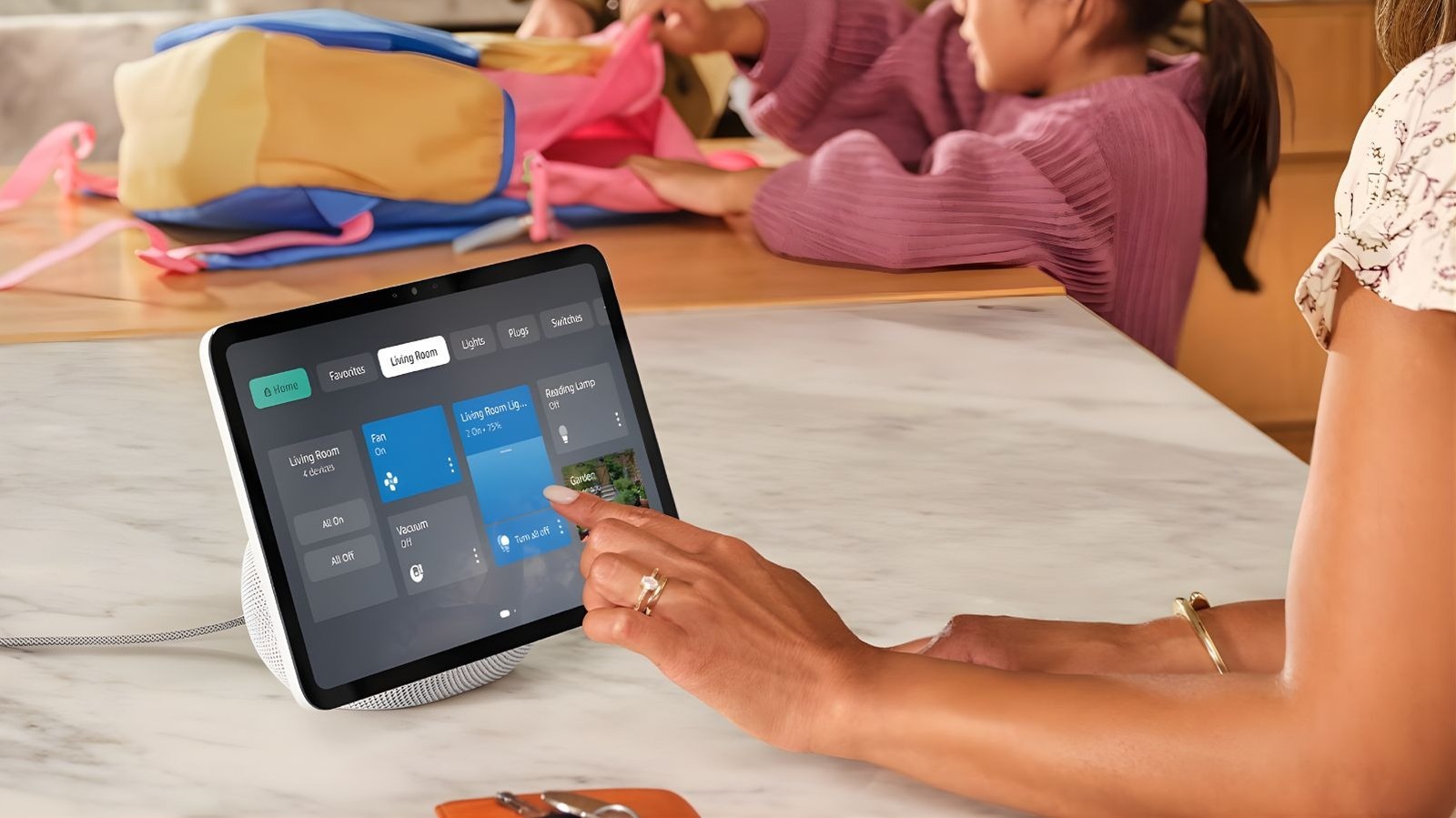
Residents increasingly manage their homes through centralized apps, touchscreens, or voice assistants. A single command can lower blinds, adjust temperature, lock doors, and activate energy-saving mode. Schedules and routines automate repetitive tasks — such as warming a house before occupants return or watering gardens during optimal weather conditions.
This integration marks the true normalization of smart living. People no longer think of each device as “technology”; instead, the entire home functions as an intelligent environment.
Energy efficiency becomes a core driver
One of the strongest forces behind smart-home adoption in 2026 is energy management. With rising global attention on sustainability and fluctuating energy costs, households increasingly rely on smart meters, automated thermostats, and consumption-tracking tools.
Heating and cooling systems adjust themselves based on occupancy and weather. Smart lighting ensures that rooms are not illuminated unnecessarily. Appliances run during off-peak energy hours to reduce cost and grid strain. Solar-powered homes pair renewable generation with AI-optimized storage systems.
Consumers benefit from lower bills. Governments benefit from more stable and efficient energy demand. And the environmental footprint of housing shrinks as homes become more responsive and efficient.
Security evolves into intelligent monitoring
Home security has also undergone a transformation. In 2026, smart locks, connected cameras, motion detectors, and integrated alarm systems provide layered protection that can be monitored remotely at any time. Homeowners receive alerts about unusual activity, open doors, or forgotten windows.
The systems do more than record — they analyze. AI-based monitoring can distinguish between expected and unexpected activity, reducing false alarms triggered by pets or weather. Smart doorbells allow residents to interact with visitors from anywhere in the world. Neighborhoods sometimes coordinate through shared networks to improve local awareness.
Yet the rise of intelligent surveillance within private homes also creates a deeper discussion about boundaries and trust — particularly concerning who has access to recorded data and how it is stored.
Appliances that think ahead
Household appliances in 2026 are no longer passive tools; they are proactive assistants. Refrigerators track food inventory, suggest recipes, and issue reminders about expiration dates. Washing machines auto-select optimal wash cycles. Ovens preheat by schedule or voice command. Many devices perform self-diagnostics and notify users when maintenance is required.
This shift reduces waste, extends product life cycles, and simplifies routines. However, it also means that household functionality increasingly depends on software reliability and ongoing updates — an adjustment for consumers accustomed to purely mechanical devices.
A seamless layer of assistance
Perhaps the most striking feature of the 2026 smart home is how invisible the technology has become. Voice assistants respond naturally. Sensors operate quietly in the background. Systems learn from behavior patterns to anticipate needs — adjusting lighting based on the time of day or temperature based on personal preferences.
Homes are also becoming more accessible. For elderly residents or people with disabilities, smart assistants provide reminders, fall-detection alerts, and remote communication with caregivers or family members. Automation supports independent living by simplifying daily tasks and monitoring well-being without constant supervision.
The promise of smart homes, in this sense, is not just convenience — it is inclusion, safety, and quality of life.
Health monitoring moves inside the home
Well-being has become an integral part of home design. Wearables, home sensors, connected fitness equipment, and health monitoring systems merge into the smart-home ecosystem. Sleep patterns, air quality, humidity levels, and temperature are tracked to maintain healthy environments.
Some homes integrate advanced filtration systems to manage allergens or pollutants. Others feature smart lighting that adjusts color temperature to support circadian rhythms. Virtual consultations with healthcare professionals often happen from living rooms equipped with high-quality video and biometric reporting tools.
This creates a more proactive relationship with health — though it also raises important questions about how personal health data is stored and used.
Homes that learn — but also listen
The intelligence of smart homes depends on data. Systems learn preferences through continuous observation of routines — when residents wake up, what music they like, when they prefer heating or cooling adjustments, and how they move throughout the house.
This personalization increases comfort. But it also requires residents to trust that their private lives are not being misused or exposed. Privacy settings, local data storage, and encryption are key issues in 2026. Consumers are more aware than ever of what they share and with whom.
Transparency and user control have therefore become essential features of modern smart-home platforms. People want the benefits of automation — without feeling that they are being constantly watched.
Smart homes meet smart cities
The growth of intelligent housing is closely linked with broader urban development. Smart homes interact with smart grids, connected transport systems, and digital public services. Energy demand can be balanced at city level. Emergency alerts and public notifications reach residents instantly. Water and waste systems integrate with home-based monitoring.
This interconnectedness makes cities more responsive and efficient. But it also increases interdependence — meaning that disruptions in digital systems can have wider ripple effects.
Design changes inside the home
Architecture and interior design have evolved alongside technology. New homes are built with integrated wiring, hidden hubs, and optimized layouts for sensors and connectivity. Charging ports, renewable-energy systems, and modular smart fixtures are common features.
Even furniture adapts — with built-in charging, ergonomic monitoring, or adjustable configurations to support hybrid working and relaxation. Kitchens are becoming technology-enabled command centers. Living rooms double as entertainment hubs, classrooms, and meeting spaces.
In short, design increasingly supports multi-purpose living — where spaces adapt as easily as the technology that runs them.
Digital fluency becomes a household skill
As homes become smarter, residents become digital managers. Families in 2026 routinely discuss software updates, data permissions, network security, and device compatibility. Cyber-awareness is as important as locking the front door.
This has shifted the meaning of household responsibility. Parents teach children not only about chores, but also about online safety. Elderly residents sometimes rely on simplified systems or support networks to manage their homes. Service providers and technicians play growing roles in maintenance and troubleshooting.
The affordability gap and digital divide
While smart homes are becoming standard, access is not equal everywhere. Wealthier households and urban areas tend to adopt technology faster. Rural communities or low-income families may face barriers related to cost, infrastructure, or digital literacy.
Governments and developers are increasingly aware of the need to prevent a two-tier housing future. Incentives, inclusive design programs, and accessible technology models aim to ensure that smart-home benefits do not reinforce inequality.
The challenge of 2026 is to balance innovation with fairness — ensuring that convenience and safety are not privileges reserved only for some.
Risks, resilience, and dependency
As homes become more digital, resilience becomes a priority. Power outages, cyberattacks, software failures, or network disruptions could affect everything from heating to security. Households are encouraged to maintain backup systems and emergency plans.
Manufacturers and regulators are also strengthening security standards. Encryption, device authentication, firmware integrity, and responsible software lifecycles are major industry focuses. The goal is to ensure that convenience does not come at the expense of vulnerability.
Still, the shift to smart living is prompting deeper reflection. How dependent should homes become on digital systems? Where is the balance between comfort and control?
A cultural shift as much as a technological one
Ultimately, the rise of smart homes in 2026 reflects changing expectations. People now expect personalization, automation, and seamless digital support in daily life. They value time, energy efficiency, and simplicity. Homes are no longer static places — they are dynamic environments that respond to human needs.
At the same time, society is renegotiating the meaning of privacy, autonomy, and security inside the home. Technology does not simply reorganize household tasks; it reshapes relationships — with spaces, with institutions, and with one another.
The future of living — quietly arriving
Smart homes did not arrive overnight. They developed gradually — one device, one system, one upgrade at a time. By 2026, that gradual shift has crossed a threshold. Intelligent living is now ordinary living.
The story from here is not about whether homes will become smart — they already are. The real question is how thoughtfully they will be designed, how responsibly data will be managed, and how equitably the benefits will be shared.
As technology continues to evolve, the home remains the center of daily life. The difference in 2026 is that the home itself now plays an active role — learning, responding, adapting, and shaping the rhythms of modern living in ways that once seemed futuristic, but now simply feel normal.
News.Az
link


:max_bytes(150000):strip_icc()/GettyImages-1220602415-869d569919b24829b21868f530a8207f.jpg "The 1980s Trend Designers Hope Never Comes Back")